
The main theme of the workshop this year was the canter mechanic. I was really glad for that, I think it's one of the hardest things both to see and to learn for a rider. And I think that a lot of trainers (myself included) struggle to get their riders to do it properly.
To set up this post, I wanted to go over the horse's canter mechanic first, which should be a review for everyone, but I want to emphasize a few main things about how we ideally want the canter to look that I'll later tie in with what Mary says.
 |
| From my most recent lesson, love this pony! |
The canter is a gait with three beats and one moment of suspension. On the left lead, the horse begins on the right hind leg (backswing/upswing) and rolls their weight forward onto the left hind leg and right front leg (diagonal pair), then onto the left front leg (downbeat/downswing), before jumping into the moment of suspension and landing back on the coiled right hind leg.
The head and neck of the horse are at the highest and shortest moment in the upswing and at their lowest and most stretched out in the downbeat.
Purity of rhythm is very important in dressage. The purpose of dressage is to enhance the horse's natural gaits, so having an impure gait is grounds for a 4 (insufficient). The canter can become impure by getting lateral or by losing the moment of suspension.
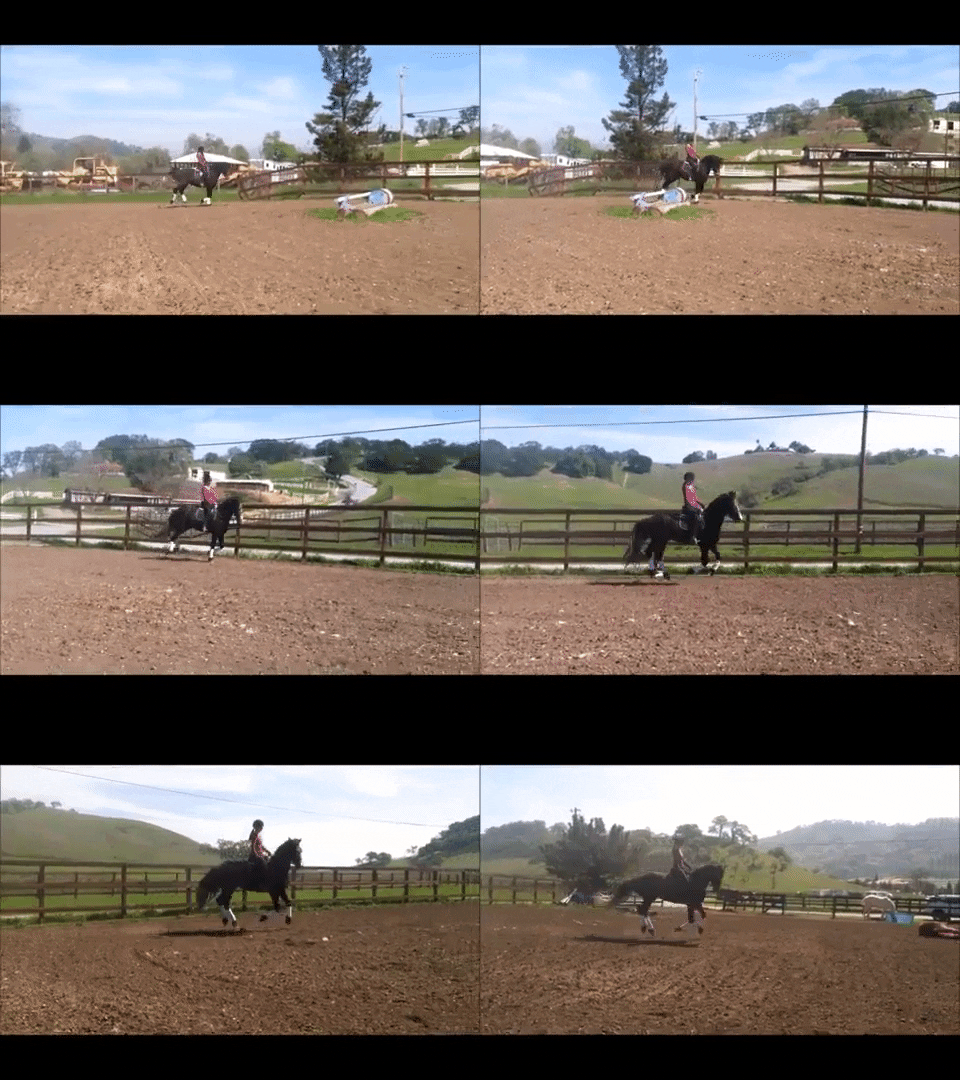 |
| Baby TC shows several types of faulty oscillation, from nodding (at the beginning, when it looks like he's pressing his forehead downward into the ground) to not oscillating at all (frozen headset when he picks his head up after deciding he didn't want to face plant) |
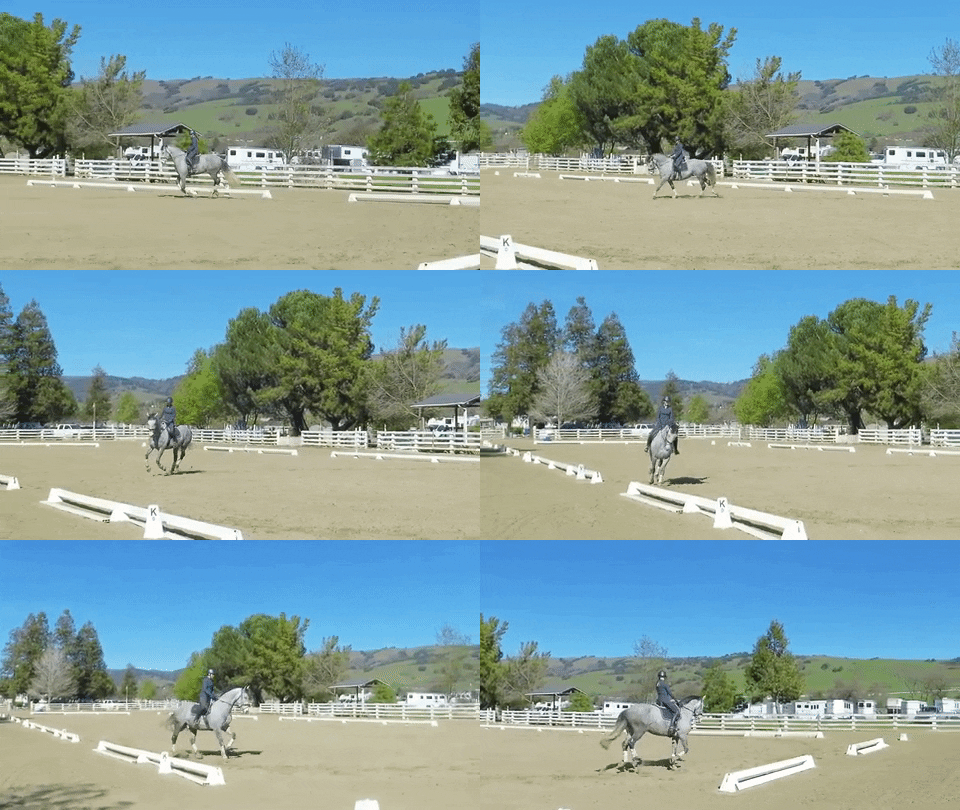 |
| TC these days, we're being all casual like because he was tired from our lessons, but you can still see how reluctant he is to oscillate! It's improved so much, but he's not a natural back mover at the canter unfortunately. |
As young riders, many of us were taught to "polish" the saddle with our seats or "scoop" with the seat to be able to sit the canter. This is incorrect, so with that in mind, let's dive into what a correct following mechanic looks like in a rider.
--------------------------------------------------------------------------------------------------------------------
Force Absorption
The goal in perfecting the canter mechanic is to be more in sync with the horse and to have correct following mechanics, which directly relates to the rider position score. A faulty canter mechanic will squash the horse's gaits, make it harder for them to perform movements, and make it difficult for rider and horse to climb the levels while preserving the horse's gaits. You see it everywhere, a horse who at birth was a gorgeous mover and as they move through the levels, they get tighter in the back, lose their moment of suspension, and the canter rhythm breaks down.
 |
| Hey look, it's Rico. This is LITERALLY his school canter from when we did the 4-1, he's put his right hind down before picking his left hind up because I'm restricting him so much. Wow. Is it normal to feel attacked by your own blog post??? |
One of the first things to address with riders is to get them to allow the horse to oscillate their head and neck. Many riders will feel like they are because they open and close their elbows by rocking their shoulder forward and back, but this is incorrect. You need to see the riders' hands move. Forward toward the bit when the horse is in the downbeat, up and back (elbows swing backward past the rider's hip) in the backswing.
 |
| Very clearly not going to allow him to go down here |
The Cheese Wedge
I think one of the most common things we see in the canter mechanic is the cheese wedge. This is essentially the rider's seat making a wedge of space behind their butt.
 |
| See the space under my butt? |
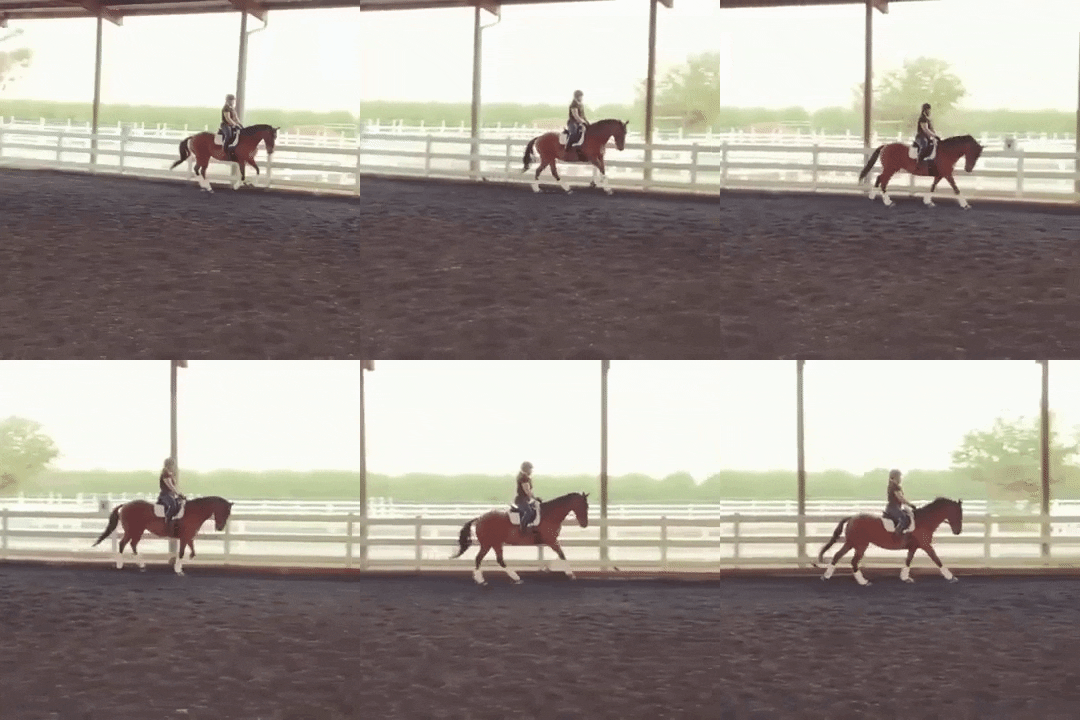 |
| Peony used to be really good at a cheese wedge, she and I are also cheese goblins who shovel hoards of shredded cheese into our mouths late at night, our faces lit only by the light of the refrigerator, so it makes sense that we're both excellent at the cheese wedge |
Up and Back as Much as Down and Forward
Along these same lines, we tend to emphasize the forward and down motion of the canter. How often have we been told to scoop with our seats or polish the saddle with our butts? But what goes down must go back up, and Mary wants us to emphasize the up and back-ness of the canter mechanic to balance out how much we naturally want to follow the saddle forward and downward.
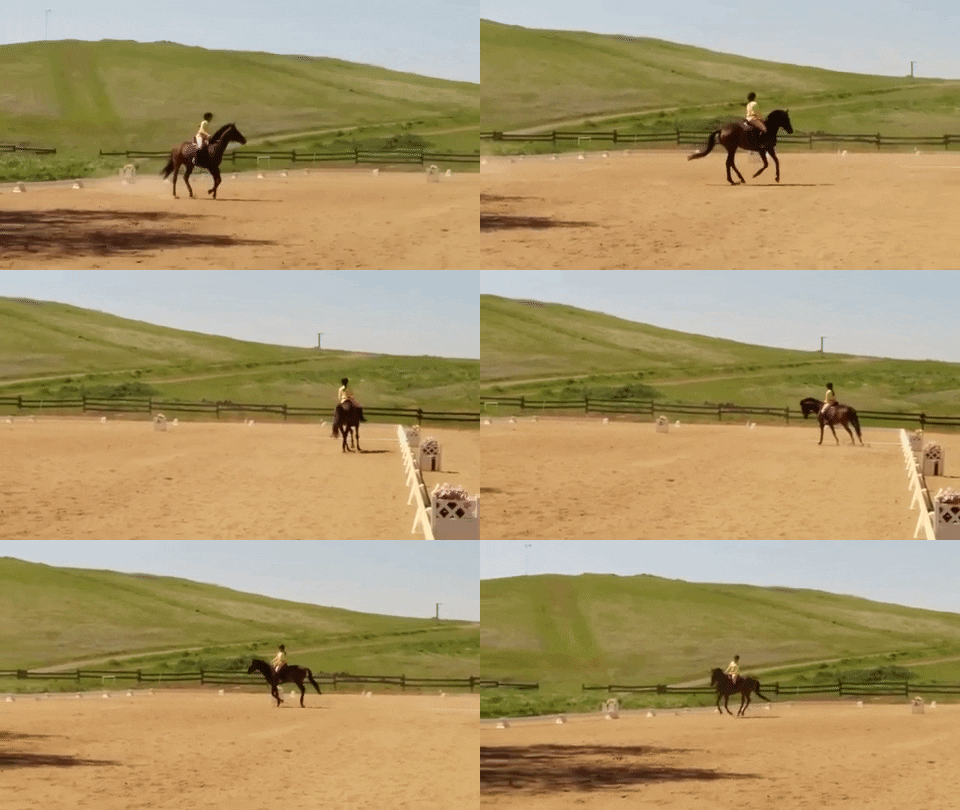 |
| Nicole used to be so good at polishing a saddle with her butt,probably because Murray wanted to murder her all the time, but if there's one thing we know about people I'm friends with, it's that they're VERY STICKY PEOPLE. But you can see that there's a lot more emphasis on down and forward in this video than up and back. |
The Carousel Pole
This is actually something I've been teaching for a while, because of this video that was posted of Mary Wanless working with someone at the walk to keep themselves in a good balance. In the canter, the rider's upper body should appear to be a carousel pole. At all phases, they should land on their feet.
The typical way this goes wrong is when the rider is rocking their shoulders backward in the downbeat of the canter. When this happens, gravity pushes the rider's weight forward and downward into the saddle and it rocks the saddle forward into the horse's shoulder. The horse is forced onto the forehand as the downbeat is emphasized.
Instead, the rider should make sure their shoulders stay over their hips even in the downbeat of the canter. This is HARD and most riders think it feels like they're leaning forward.
--------------------------------------------------------------------------------------------------------------------
Force Transmission
Once the rider has correct following mechanics, they can begin to affect the canter in a positive way.
Half Halt Timing
The half halt should occur in every stride at the top of the mechanic (the backswing/upswing), where the rider should essentially say to the horse "hang out here for a bit longer" and then the half halt should be released in the downbeat, the horse should be encouraged to quicken the downbeat and get their haunches back underneath them as quickly as they can. This means the half halt is FAST. It's a split second. Then you HAVE to let go.
I always tell my students the half halt at the canter is a seat aid, not a hand aid. Sure, your hands can half halt during the upswing, but ONLY in the upswing and after that, it's on your seat to hold the horse's balance within the mechanic. The hand just assists the seat in that one moment of the canter.
Slingshot
The slingshot is a great way to balance the canter and emphasize CANada versus mozamBIQUE. This is another fun chair exercise from Mary. Sit in ideally a hard chair with both feet on the ground. Feel your seatbones against the seat of the chair. Now see if you can engage your hip flexors and pull your seatbones backward across your flesh. That's your slingshot.
On the back of the horse, this needs to happen in the upswing of the canter, the outside hind hits the ground and you are holding your hips backward, having shifted your seatbones across your flesh backward toward the cantle during the moment of suspension. This encourages the horse to stay in that upswing for as long as possible as you are holding them there with your seat and thigh. This has been a GAME CHANGER for TC's canter, which is his worst gait.
Down Up
In addition to the slingshot to keep the horse on the hind end for longer, the rider also must emphasize the "sit" in that moment too. Anne had a great visual for this, she imagines falling back into an intertube during the slingshot moment to emphasize the down part of the mechanic. The horse must be DOWN on the outside hind leg, then as they shift their weight forward to the front legs, they must be UP. So as a rider, you must emphasize the down on the outside hind leg and then emphasize the up on the inside hind leg. Nicole wrote about this first hand and it's a really great read.
Overall
The canter mechanic is probably one of the hardest things to learn, at least in my opinion. Also the connection. I feel like 80% of the lessons I teach are about the canter mechanic and the connection at this point. But it's an absolute game changer to get these things right.
I've done my best here in this post, but it's really hard to explain. It takes a lot of hands on work with a rider and a lot of lessons. I've had one rider get it in maybe three lessons. That rider has other problems, don't worry (it's not Peony, she worked hard like the rest of us). I still can't sit the canter properly. It's just so damn hard.
Major shout out to TC for being the best demo horse even though he wouldn't let me ride completely bat shit crazy because he kept stopping to check on whether he needed to take me to the hospital. Also big thanks to my wonderful friends for letting me steal their canter mechanics and put them on the spot.
This is actually something I've been teaching for a while, because of this video that was posted of Mary Wanless working with someone at the walk to keep themselves in a good balance. In the canter, the rider's upper body should appear to be a carousel pole. At all phases, they should land on their feet.
 |
| Would land on my butt, you can see me basically shoving his saddle into his withers/shoulders here |
 |
| Look how much I'm leaning back here, yikes |
 |
| Shamelessly stolen from Nicole's recent blog post |
Instead, the rider should make sure their shoulders stay over their hips even in the downbeat of the canter. This is HARD and most riders think it feels like they're leaning forward.
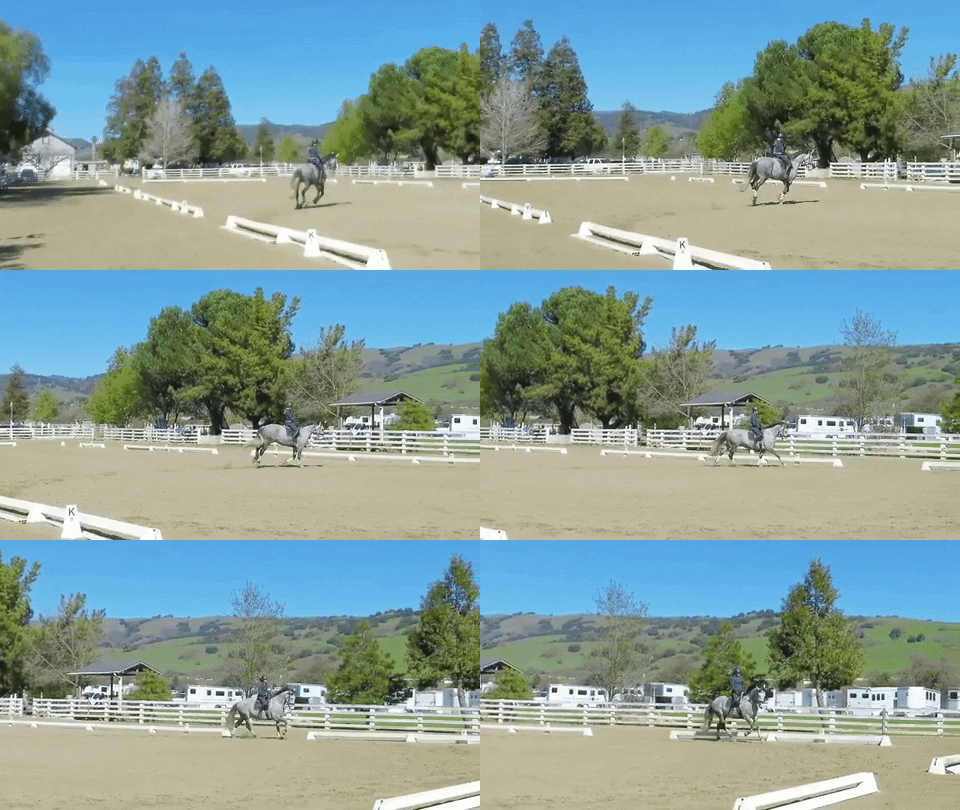 |
| I did my damn best, you can see how much I'm (trying to) moving my shoulders and how much the downbeat is emphasized in poor TC who thinks I've had a stroke, compare how on the forehand he is here vs in the other gifs, it's amazing |
--------------------------------------------------------------------------------------------------------------------
Once the rider has correct following mechanics, they can begin to affect the canter in a positive way.
Half Halt Timing
The half halt should occur in every stride at the top of the mechanic (the backswing/upswing), where the rider should essentially say to the horse "hang out here for a bit longer" and then the half halt should be released in the downbeat, the horse should be encouraged to quicken the downbeat and get their haunches back underneath them as quickly as they can. This means the half halt is FAST. It's a split second. Then you HAVE to let go.
I always tell my students the half halt at the canter is a seat aid, not a hand aid. Sure, your hands can half halt during the upswing, but ONLY in the upswing and after that, it's on your seat to hold the horse's balance within the mechanic. The hand just assists the seat in that one moment of the canter.
Slingshot
The slingshot is a great way to balance the canter and emphasize CANada versus mozamBIQUE. This is another fun chair exercise from Mary. Sit in ideally a hard chair with both feet on the ground. Feel your seatbones against the seat of the chair. Now see if you can engage your hip flexors and pull your seatbones backward across your flesh. That's your slingshot.
On the back of the horse, this needs to happen in the upswing of the canter, the outside hind hits the ground and you are holding your hips backward, having shifted your seatbones across your flesh backward toward the cantle during the moment of suspension. This encourages the horse to stay in that upswing for as long as possible as you are holding them there with your seat and thigh. This has been a GAME CHANGER for TC's canter, which is his worst gait.
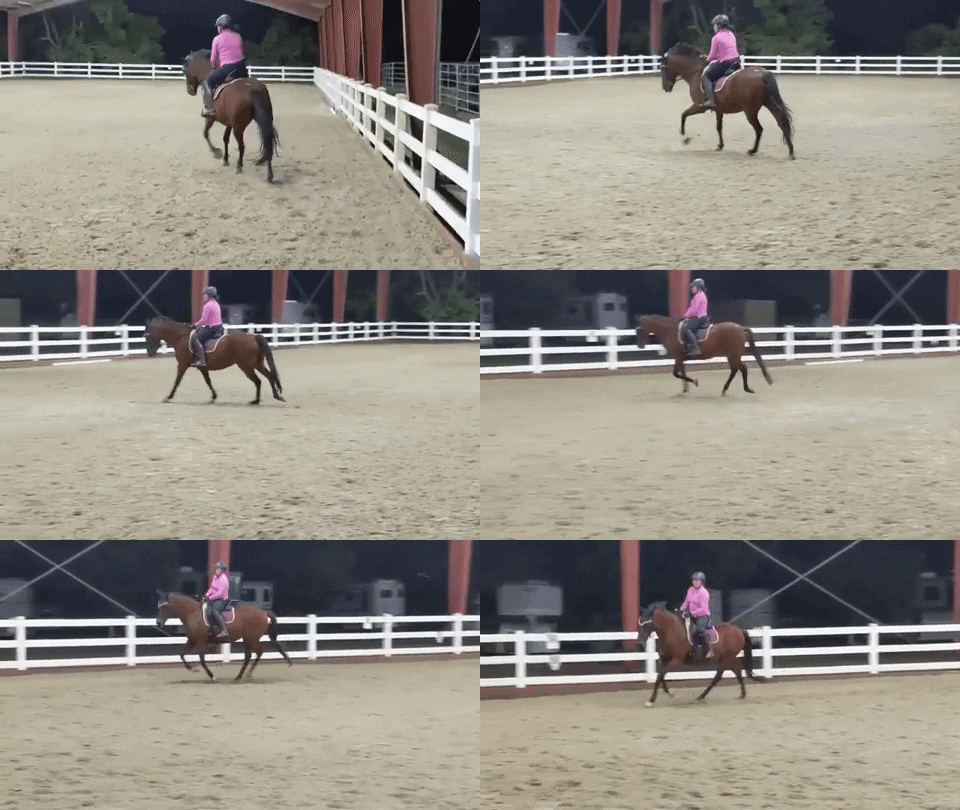 |
| Can we talk about how unfair it is that this is the same rider (Peony) from above? While before she was showing an excellent cheese wedge, she's showing shit for cheese but she's showing an excellent slingshot! See how much she's emphasizing the up and back-ness of the canter mechanic AND how much she's following with her hands AND how she's a carousel pole?? Just fabulous |
In addition to the slingshot to keep the horse on the hind end for longer, the rider also must emphasize the "sit" in that moment too. Anne had a great visual for this, she imagines falling back into an intertube during the slingshot moment to emphasize the down part of the mechanic. The horse must be DOWN on the outside hind leg, then as they shift their weight forward to the front legs, they must be UP. So as a rider, you must emphasize the down on the outside hind leg and then emphasize the up on the inside hind leg. Nicole wrote about this first hand and it's a really great read.
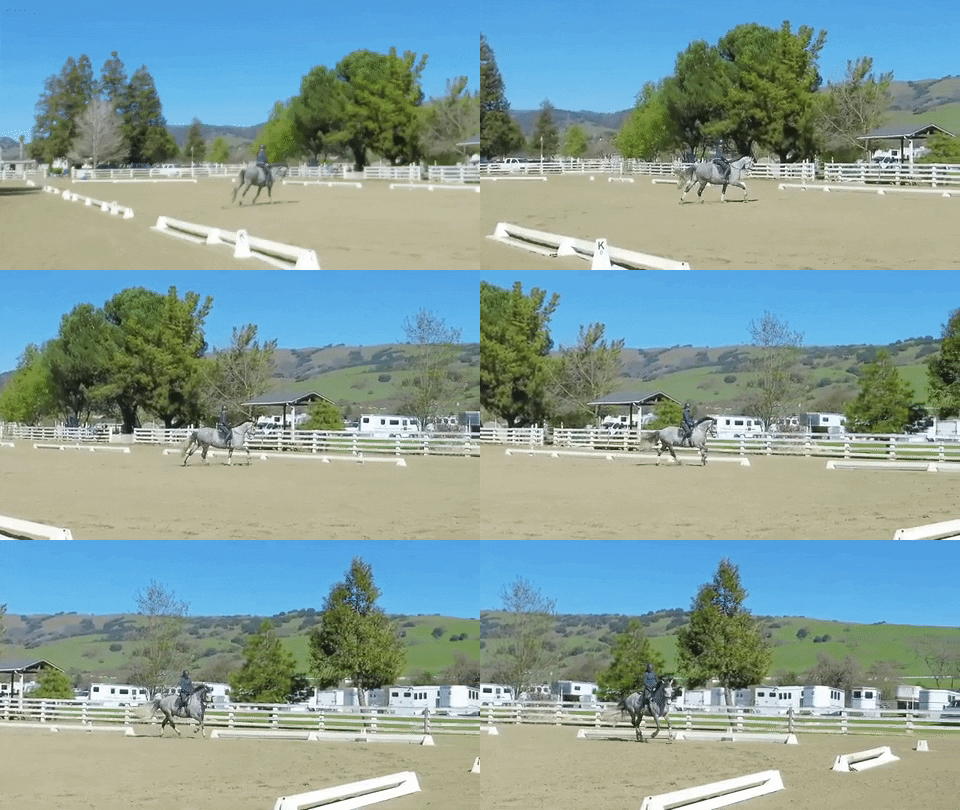 |
| It's hard to keep all these straight, I believe this is me trying to ride properly. I'm nowhere near perfect, but you can see a) minimal cheese wedge, b) not much shoulder rocking, c) my hands are mostly following his neck (esp at the end, then I really get it right) |
Overall
The canter mechanic is probably one of the hardest things to learn, at least in my opinion. Also the connection. I feel like 80% of the lessons I teach are about the canter mechanic and the connection at this point. But it's an absolute game changer to get these things right.
I've done my best here in this post, but it's really hard to explain. It takes a lot of hands on work with a rider and a lot of lessons. I've had one rider get it in maybe three lessons. That rider has other problems, don't worry (it's not Peony, she worked hard like the rest of us). I still can't sit the canter properly. It's just so damn hard.
Major shout out to TC for being the best demo horse even though he wouldn't let me ride completely bat shit crazy because he kept stopping to check on whether he needed to take me to the hospital. Also big thanks to my wonderful friends for letting me steal their canter mechanics and put them on the spot.


