
Fair warning, this is a VERY long post. There are gifs though.
 |
| I'm warning you |
The quality of the gaits section is FASCINATING to me, so fascinating that I decided to write an entire post about it and evaluate TC's gaits.
I've primarily been told very basic things in my past about gait quality. When you see a good walk, trot, or canter, you just *know* it's high quality. Good quality gaits take your breath away and bad quality gaits look uncomfortable for horse and rider. But the L program materials really break it down into the biomechanics of the way the horse moves. I, of course, became immediately curious about TC's gaits. He wasn't bred for his gaits and I bought him because of his mind and trainability, and got lucky that his gaits weren't bad.
For this post, I grabbed gifs from TC's first year undersaddle, his highest scoring Training Level test, his highest scoring First Level test, and from his Second Level (! only a schooling show !) test last year. All tests scored in the 70s and all had him at 7s on gaits or above. The Second Level test... we honestly weren't ready for it, so it's kind of Second-Level-Lite. I've also posted some random pictures throughout his time with me.
 |
| Look at that hind leg separation, we'll get to that later |
The walk is a four beat gait with no moment of suspension. Because it has no suspension, this means that you cannot talk about impulsion in the walk, it doesn't exist.
When evaluating the quality of the walk, all four beats should be evenly spaced (the horse should form a V under their body on the same side), there should be good freedom in the shoulders and articulation of the joints, the neck should oscillate forward and back, and the horse should cover ground with overtrack. The horse should slink along using their entire body to walk.
Early On
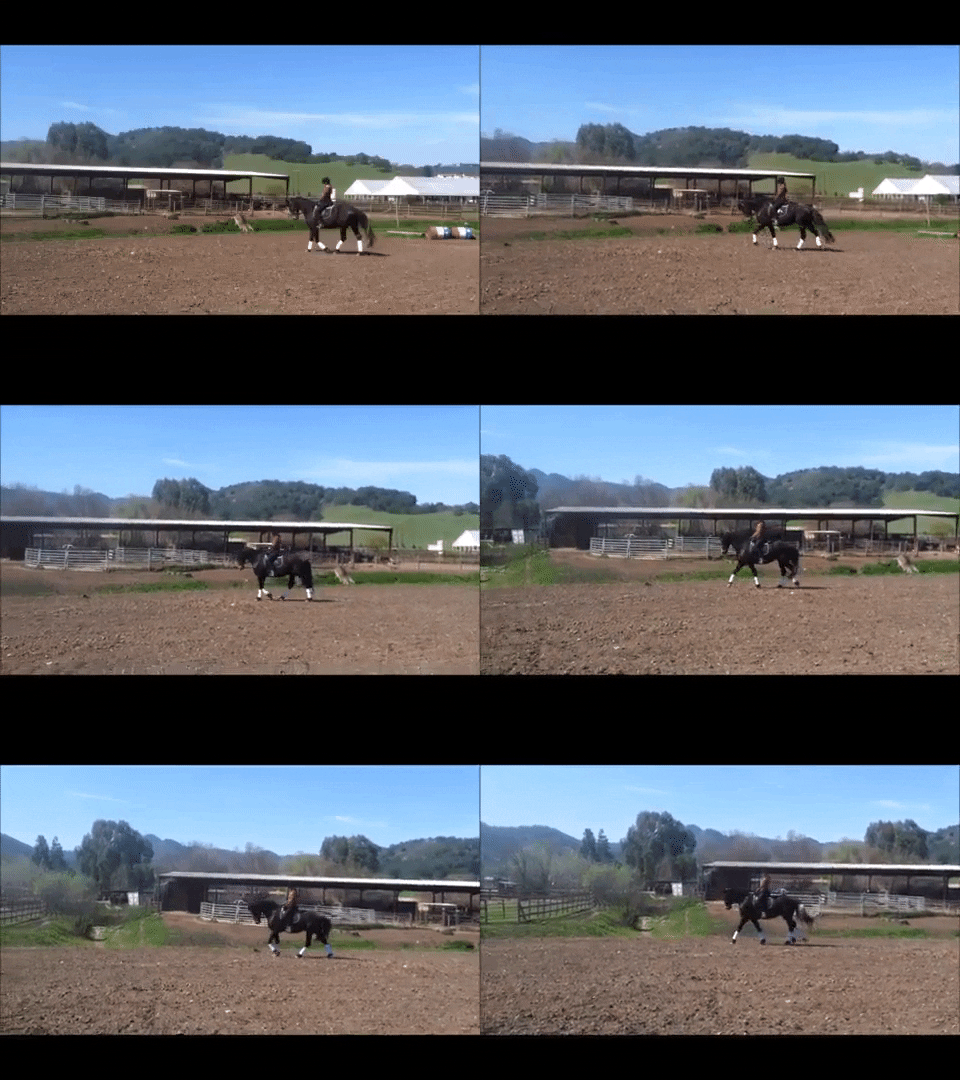
I'm seeing good Vs and good overstep, but a faulty oscillation. Rather than his walk going through his entire body and out through his nose, his nose nods downward and inward rather than forward and back. So if you cut off his body, his legs look like he's walking very well, but there's not the slinky quality that the judges are looking for, there's not enough freedom to it.
Training Level
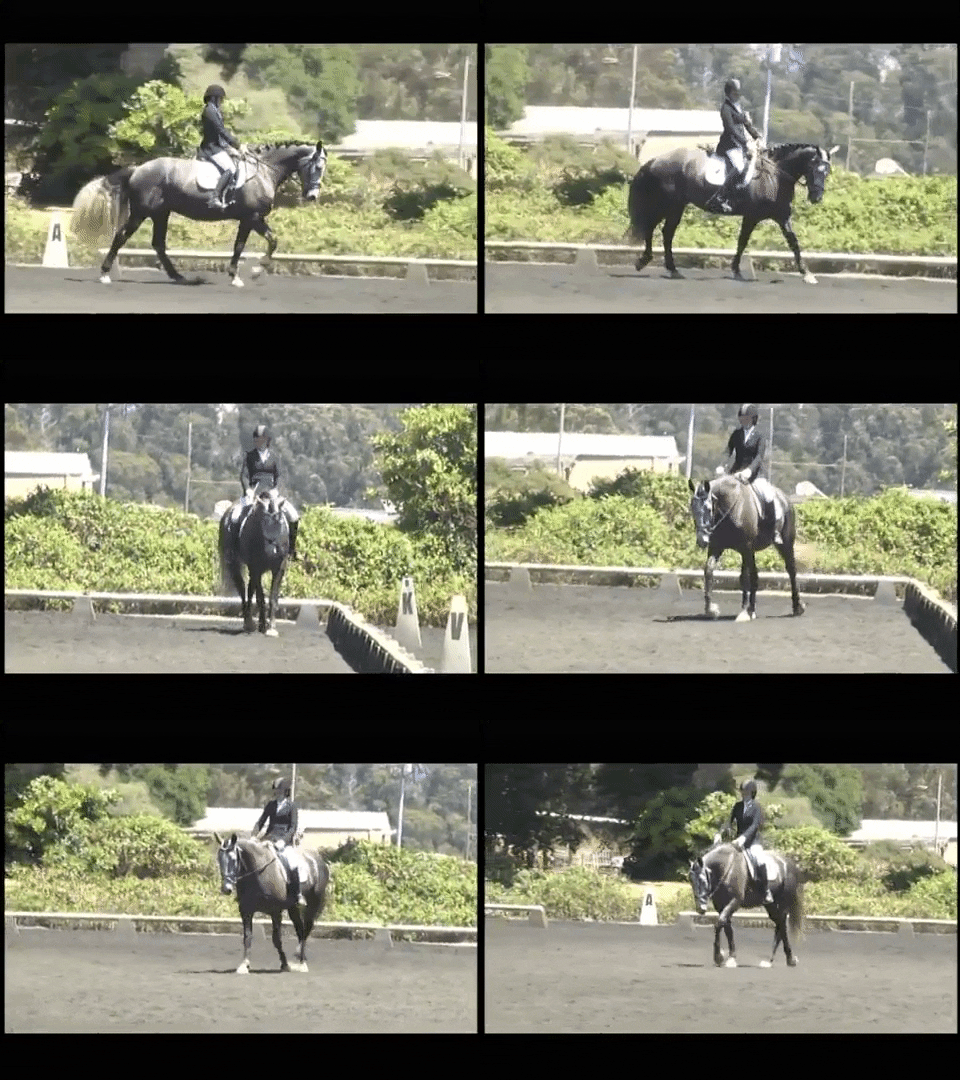
This is right after trotting and includes some of the free walk.
Here we see maybe lesser quality Vs and overstep, but less faulty oscillation (not eliminated though) and more slink. He's walking through his body more rather than just using his legs, but because his body is so involved, and that is a weakness, I think the quality of the step itself went downhill a bit. Super interesting.
First Level
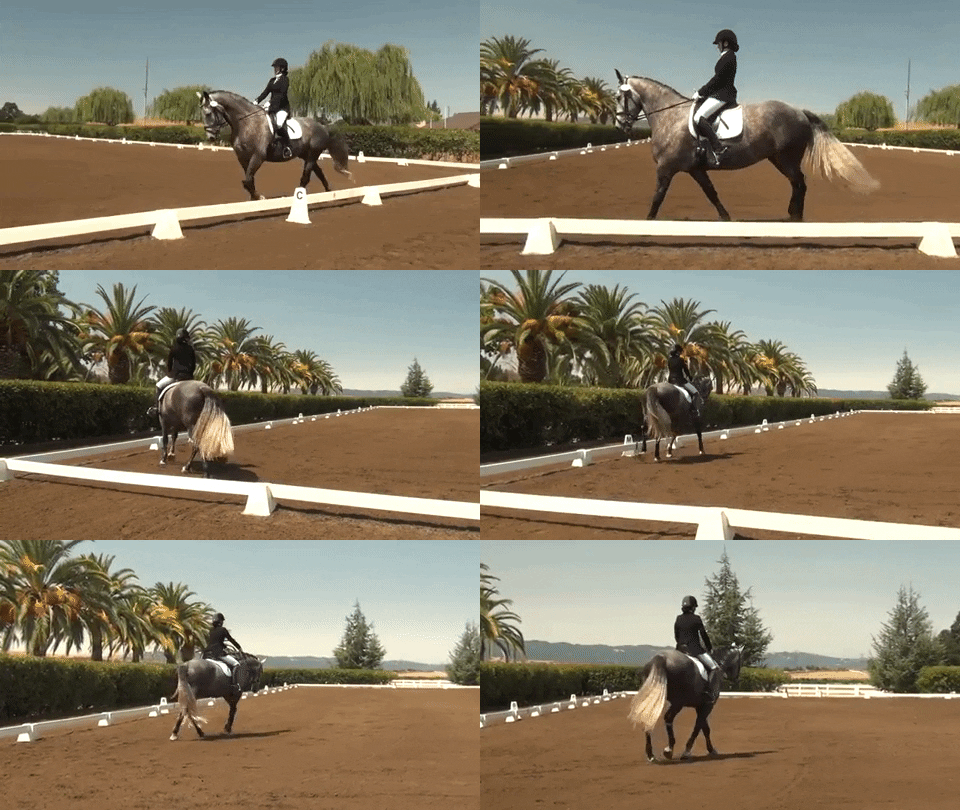
Okay so this gif starts juuust as I get into walk from a trot transition and you can see that the walk improves as time goes on, downward transitions have always been an absolute disaster with this horse for a miriad of reasons. At the beginning, you can't see the Vs as easily and he's not oscillating as much, though better than he was before for sure. He still has good overstep though. As time goes on, you can see him start to use his body more (esp in the free walk where he gets that freedom of shoulder finally).
Second Level
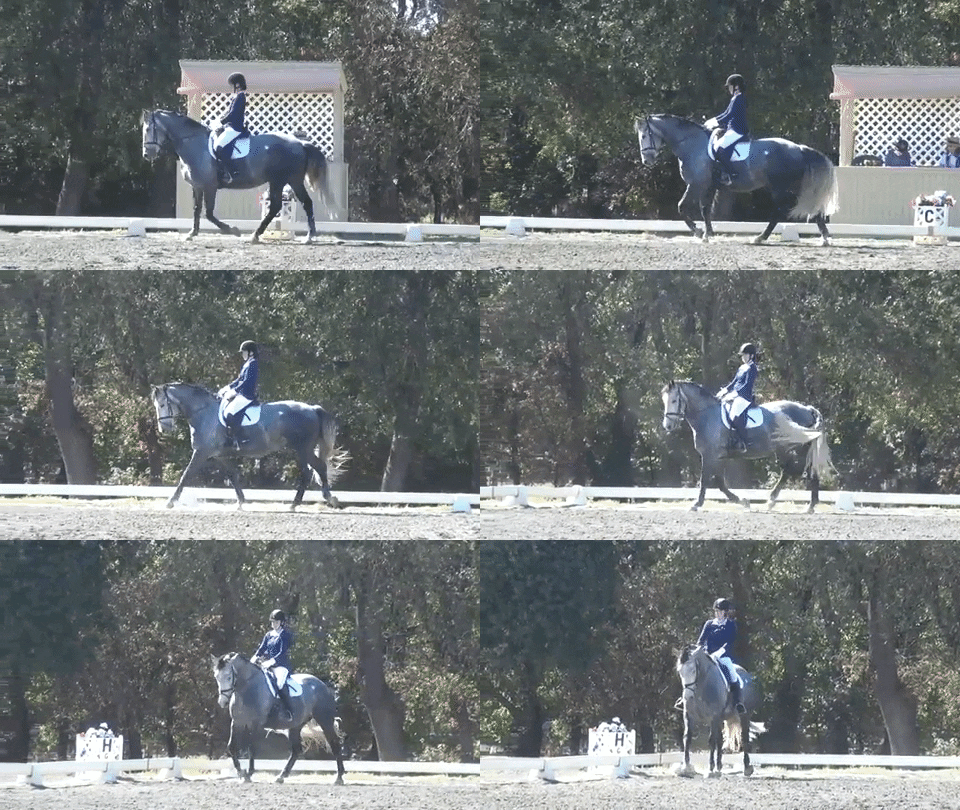
This is right after the rein back and before the free walk.
Now we finally see the horse moving better through his body, he's got his back involved and his nose isn't nodding quite so badly. He's using his shoulder so much more in the medium walk now too, something I didn't see before. And yet, the Vs still could be more present. And that's what we've been working on these days.
Overall Walk
I like TC's walk. I think he has a pure gait but that his issues with using his back and stretching to contact (stand by lol this is a THEME) have made things tricky. I like where he's at using his body and stepping into contact now, it's completely changed him. But we still have a long way to go to get his Vs more clear and find more slink. We are working really hard to add more power to his walk right now, and I think I know why. In that last clip, he is still hesitant to really let the walk go through his entire body, so now we're pushing him to do that.
 |
| There's some inside hind leg under body action, but hey Megan, whatcha doing with that right rein? |
The trot is a two beat gait with a moment of suspension.
When evaluating the quality of the trot, a horse should be active and elastic without losing the moment of suspension. The horse should reach under themselves with their hind legs and not put their hind foot down with the cannon bone near vertical (not reaching under themselves enough aka sewing machine trot, a term I snagged from an old trainer). The tempo should not be hurried or too slow, causing a loss of balance.
Early On
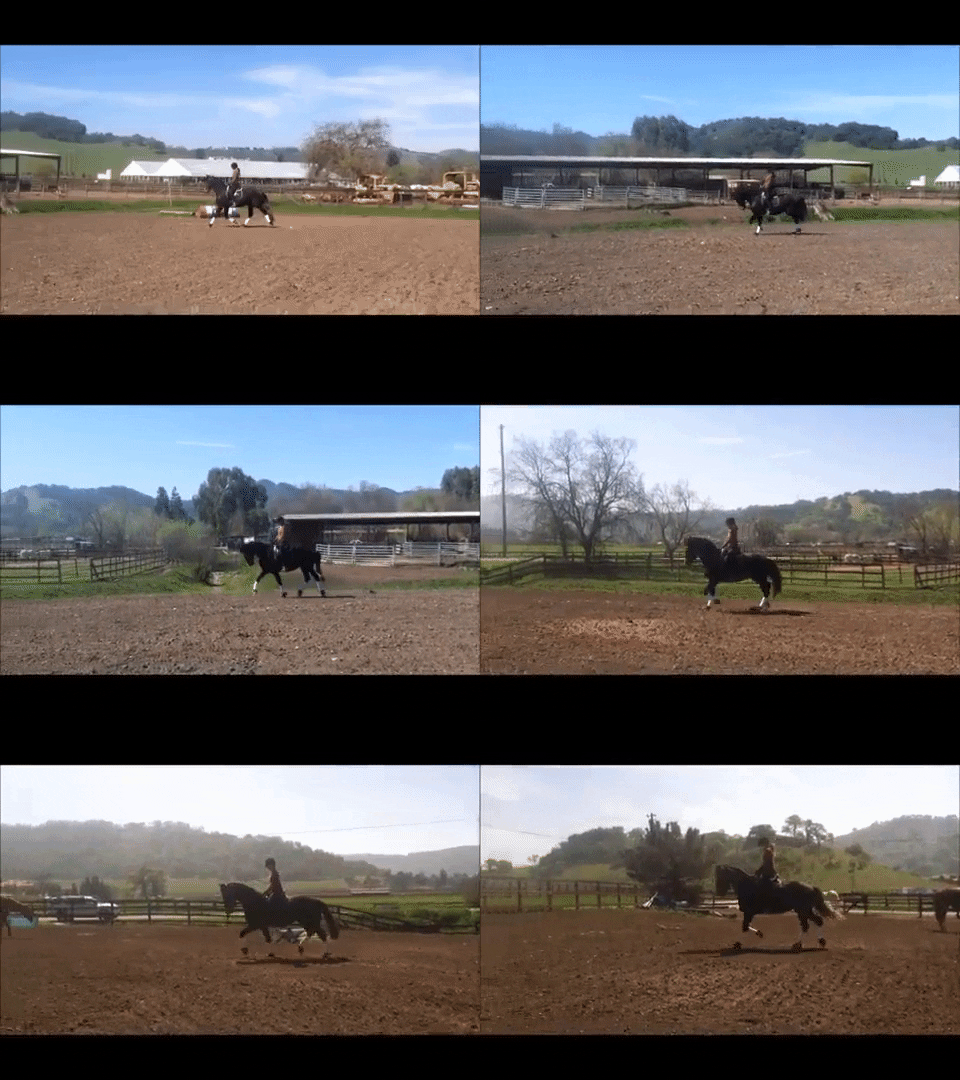
So, with TC, I like how springy he is (even if my abs don't), he's got a great moment of suspension and good rhythm in the trot naturally.
The thing I'm going to focus on, which as been TC's main issues are this: balance and hind end engagement. TC's MO has been to rely on his knee action for balance and push his hind legs out behind him, which we can see here. I'm pretty impressed that baby TC does get somewhat engaged, but you can see how freakishly far back his front foot comes under me and how much he leaves his hind end out behind him. There may be the appearance of good swing, but it's very clear that he is pulling himself along on the forehand. That appearance is only there because he's *not* using his hind legs, he's just letting them float along behind him. Of course it's easy to swing hind legs when they aren't carrying any weight.
In pausing and repausing the clip, his front foot often doesn't leave the ground until it's behind my seat. And his hind foot lands just behind my seat as well vs under it. The hind foot stays on the ground far too long as well. This is indicative of him being on the forehand. Even though he's got that big front end to make you think otherwise.
Training Level
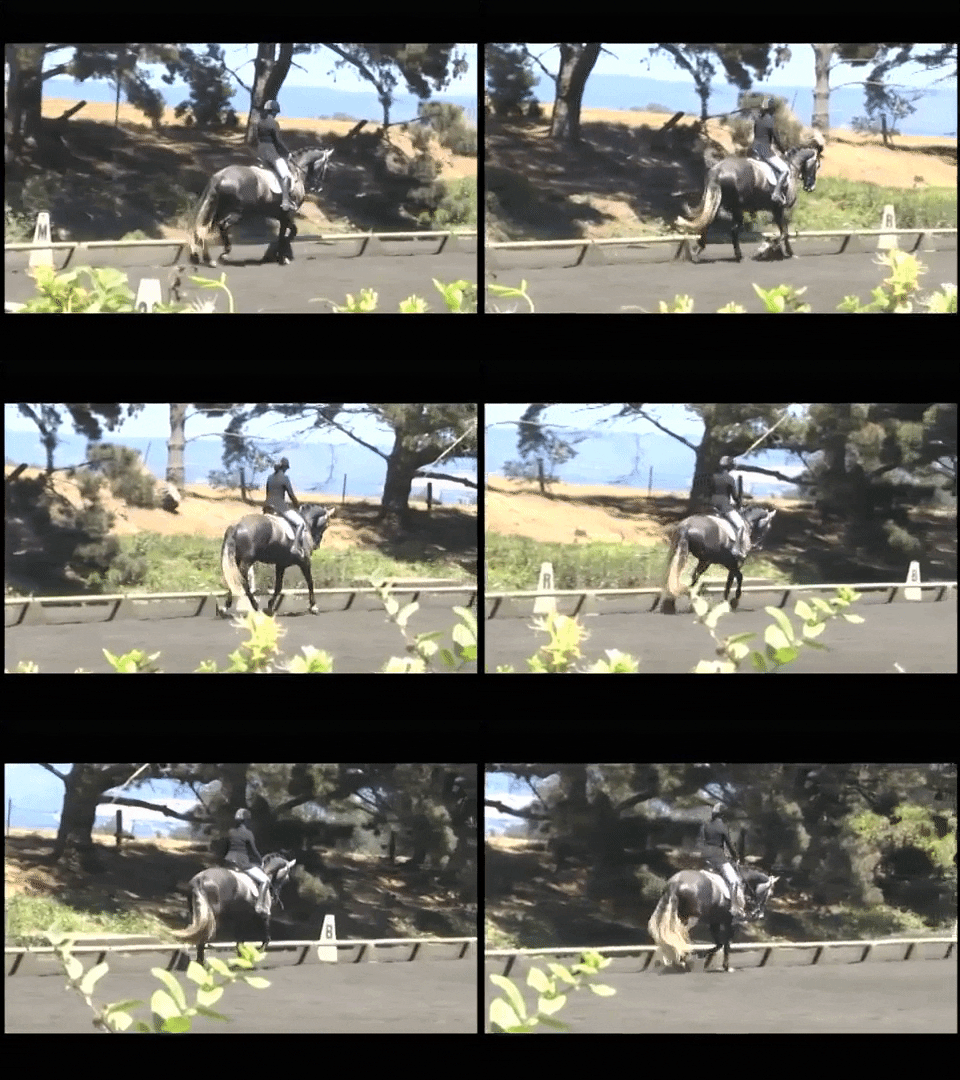
The biggest change I see right away is that TC is WAY more balanced. His tempo is under control, he's not flinging himself across the ground as he was. He may not look as fancy, but the previous trot was completely disorganized, while this one is nicely put together in comparison.
His hind legs are still not landing under me at all. If anything, the organization has made him not come as much from behind and that's a common thing I think. Maybe if I were Charlotte Dujardin, I could take the above trot and organize it without losing quality, but it's apparent that we've lost some of his freedom and power by asking him to not be completely out of control. Let's see if I get it back at First level.
First Level
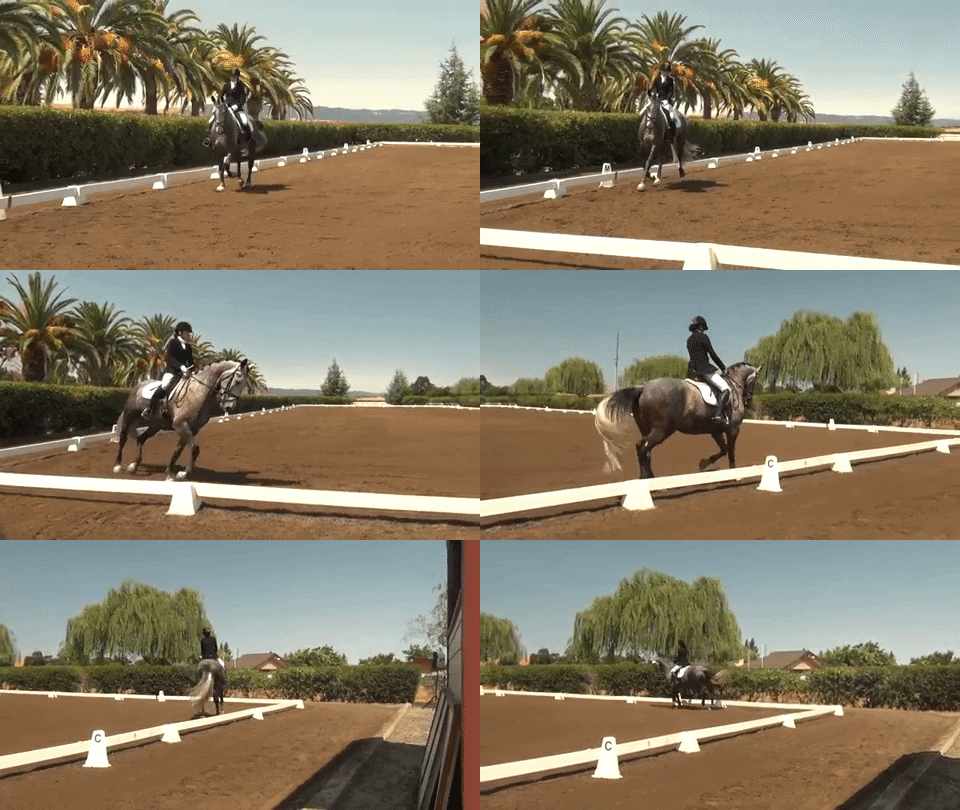
This trot section is just after I finished a leg yield and before going into a lengthening.
Oh hey, some more freedom! I'm loving the change between Training and First for the trot. You can see his confidence within the organization of his gait (steady, slower tempo in comparison to the early years) is rising and with that, we get some more power and elasticity. His lower back is way more free here than it was at Training level.
The disappointing thing about this is that the hind legs have not improved all that much. He is reaching under a bit better, sure, but he's still losing his hind legs out behind him.
Second Level
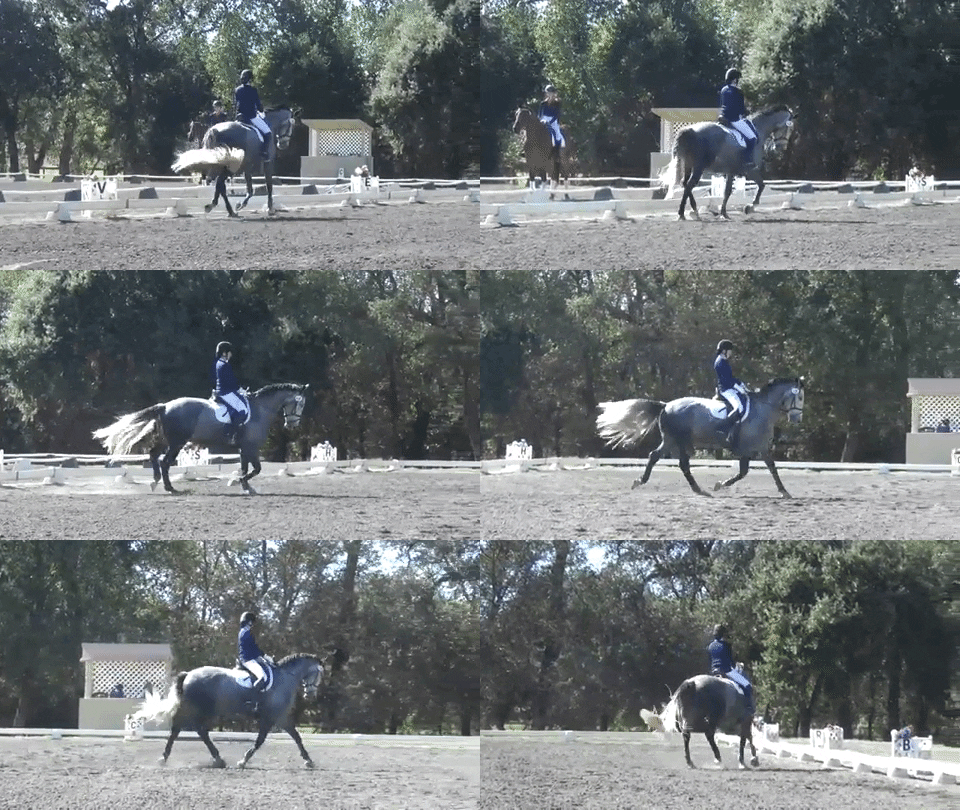
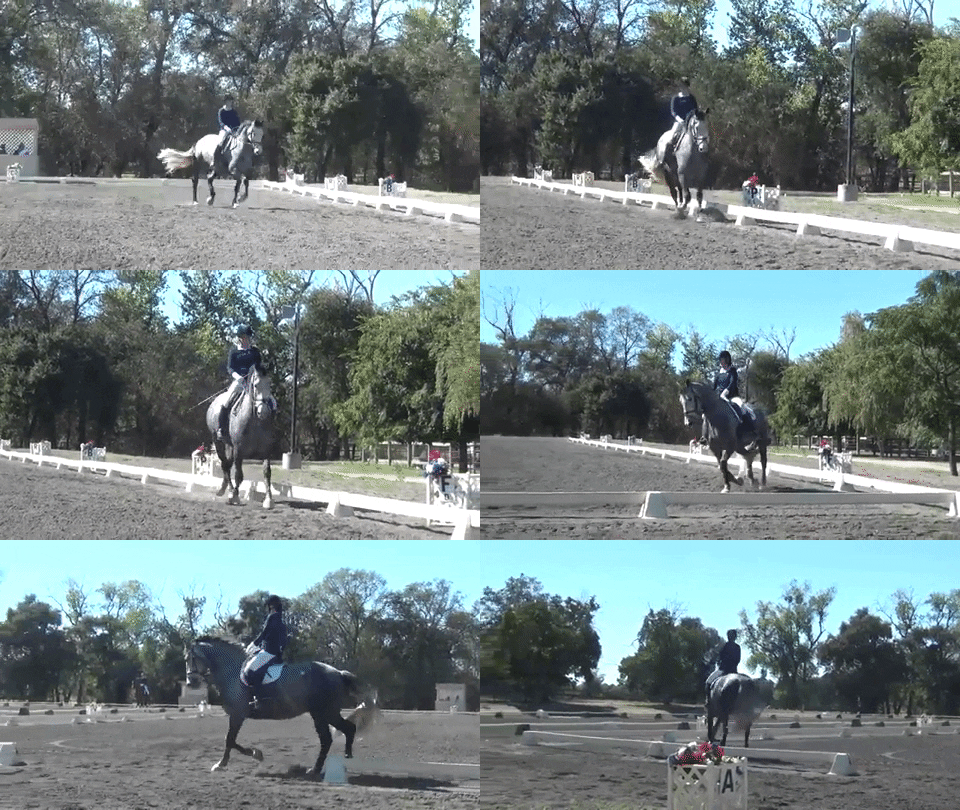
Even at Second level, we still see TC's tendency to leave his front foot on the ground too long. BUT it's majorly improved. His front foot doesn't get to the back of my seat anymore, it stops about half way through me. Phew! We also see a huge change in how he's using his hind legs. They still aren't nearly as engaged as they need to be, his hind foot is reaching just under my heel, but I have stopped losing them out the back as much. If you look at how much he's pushing backward in his hind legs during this video vs the very first one, that's a huge difference.
Don't let me get too excited, check this out. If you look at this clip below, which is right after the medium trot, you can see that this tendency is still very much apparent.
Overall Trot
I've always loved TC's freedom and suspension in the trot, but we're facing some MAJOR issues in the collection as he climbs the levels. He is basically on the forehand, even at Second level where he should be showing a collected trot.
It's not all a disaster though. First, we are trending in the right direction. I have managed to wrangle the hind legs a bit in all the training we've done. Second, it seems like lateral work is really helpful for him! The difference between his hind end after the medium trot and his hind end after the shoulder-in is stark. So we will definitely be living in shoulder-in for days and also being sure to ride several steps of it after any mediums we do, especially in schooling. I already have a TON of exercises in mind to get him using his hind end better
 |
| Last fall, lateral work does a pony good, I gotta get back on it |
The canter is a three beat gait with a moment of suspension.
The horse should oscillate between hind and forelegs and the neck should be allowed to shift forward and downward when the horse is on the forelegs. The front legs and hind legs should be well separated and the hind legs should strike the ground before the cannon bones are vertical and all legs should leave the ground right after the cannon bones reach vertical (ESPECIALLY FRONT LIMBS, they do not pass vertical ever).
The canter should show scope, reach, and elasticity. Problems can be a lack of suspension so the horse appears flat (Maryism = not on round wheels), a lack of reach with the outer limbs.
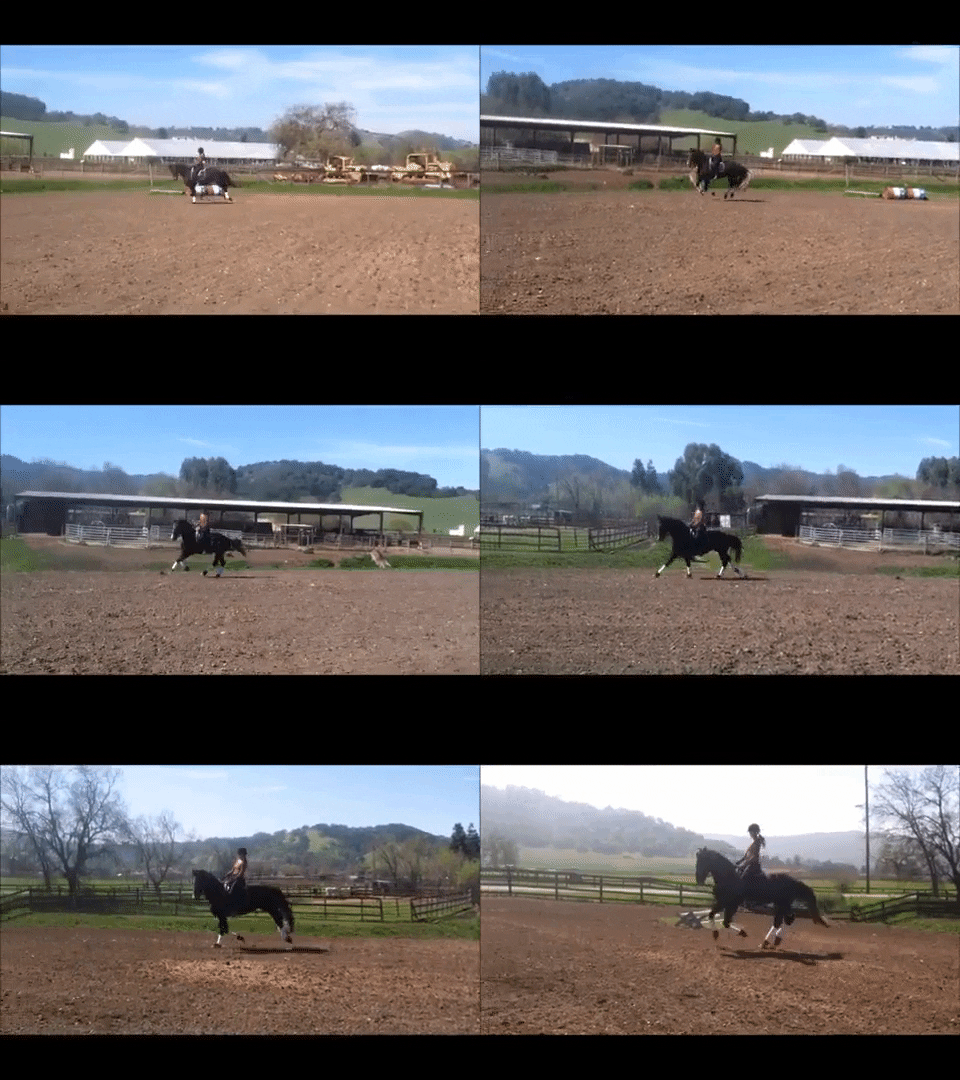
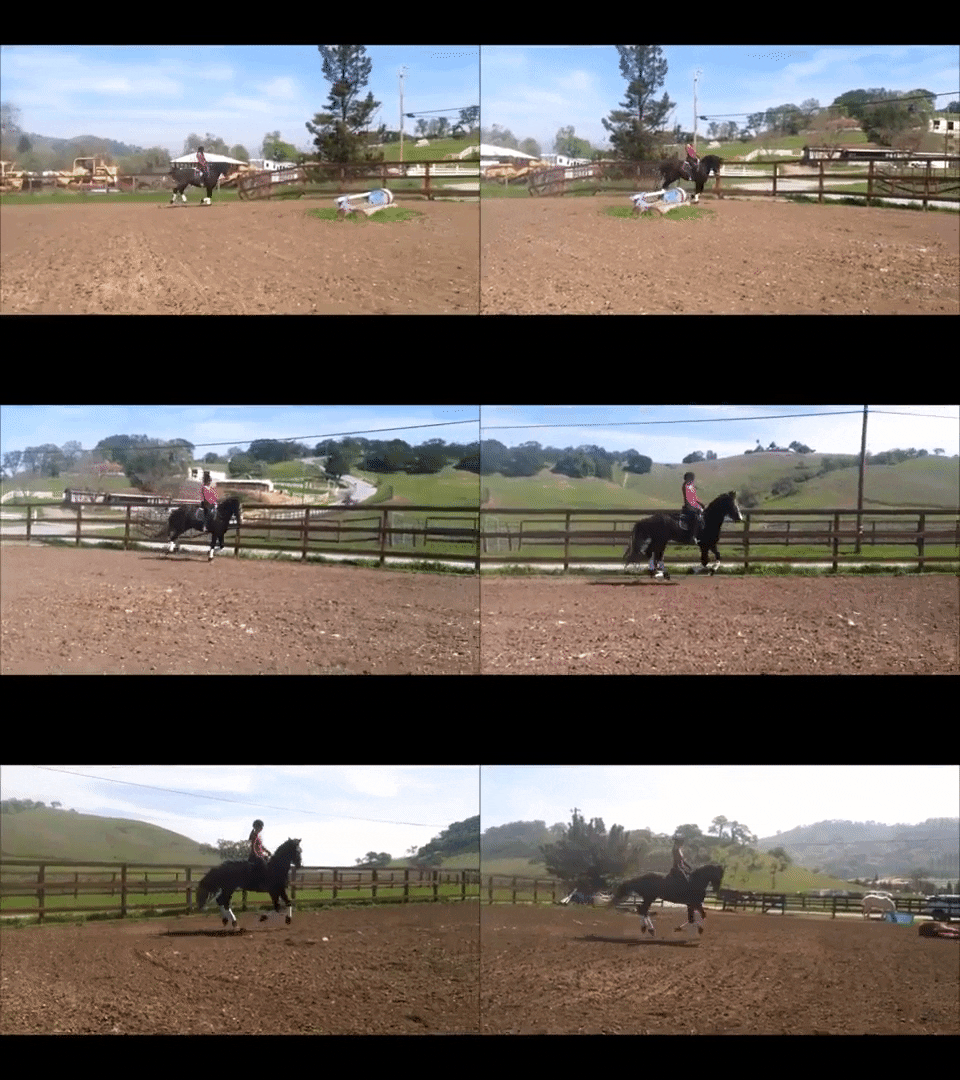
Early On
 |
| Left lead |
 |
| Right lead |
Oh hot mess of a baby horse. First, we see absolutely no (correct) oscillation of the neck and no movement through his back. Again, I started with very much a leg mover, just like we saw in walk and in trot. He does not naturally want to get his back or neck involved.
His inside hind leg reaches well, better on the left lead, and it lands with somewhat decent separation from his outside hind leg. His outside front leg stays on the ground way too long and both hind legs also pass vertical before being picked up. That all indicates that he's on the forehand. Just watching him, it doesn't appear to me that he's all that much on the forehand, time to change the way my mind decides if horses are on the forehand!
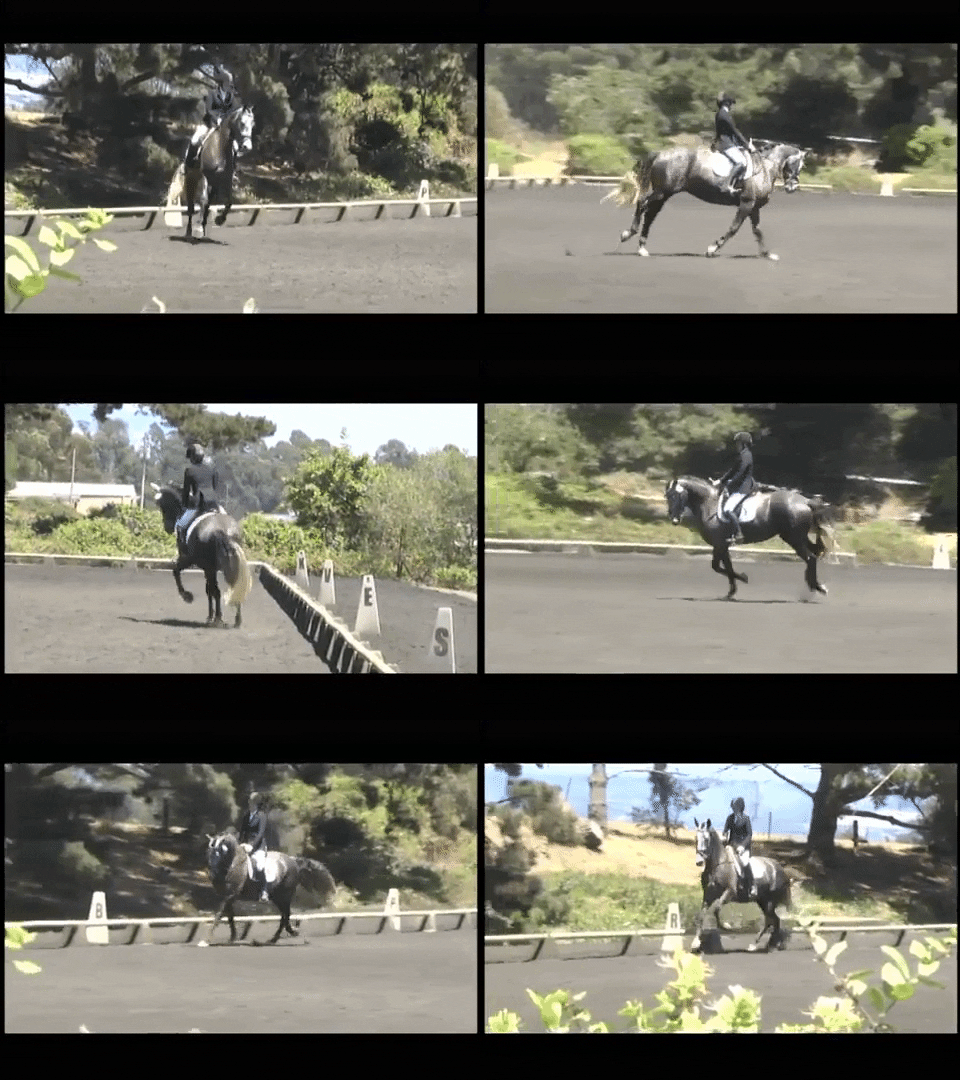
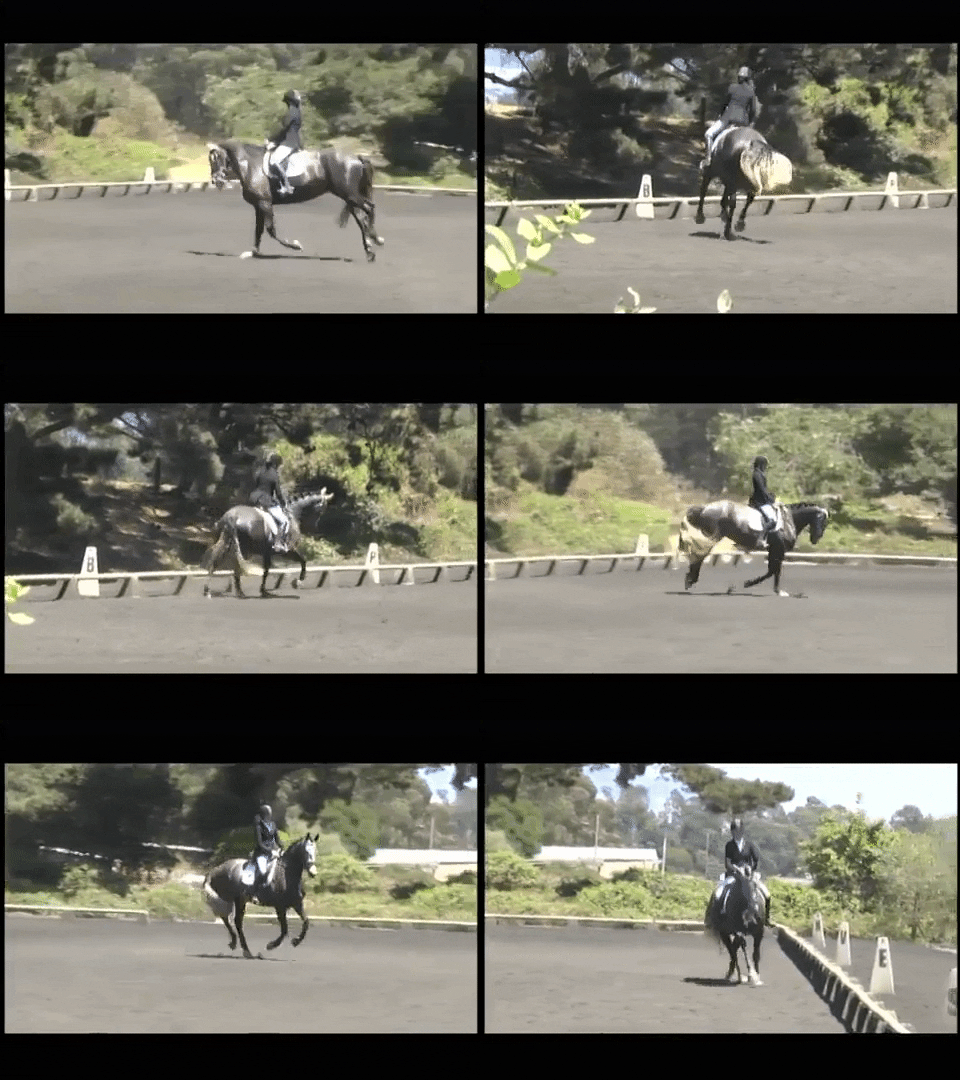
Training Level
 |
| Left Lead |
 |
| Right Lead |
The oscillation/use of his body is better here, you can actually see some neck movement. But like the walk, it starts with more nodding than oscillating (and more to the right than left, guess whose hands are worse to the left), which you can see here. It's good he's doing SOMETHING with it vs being frozen, but you can see how long it has taken me to get him to use anything other than his legs (and even those aren't used well in the canter).
First Level
 |
| Left Lead |
 |
| Right Lead |
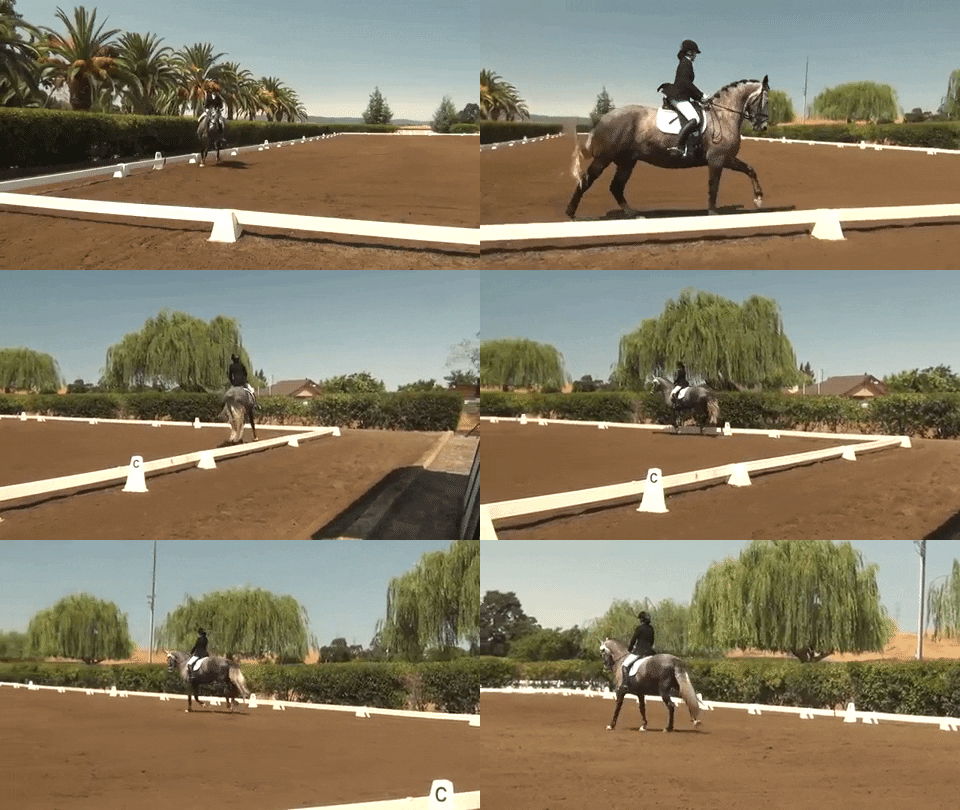
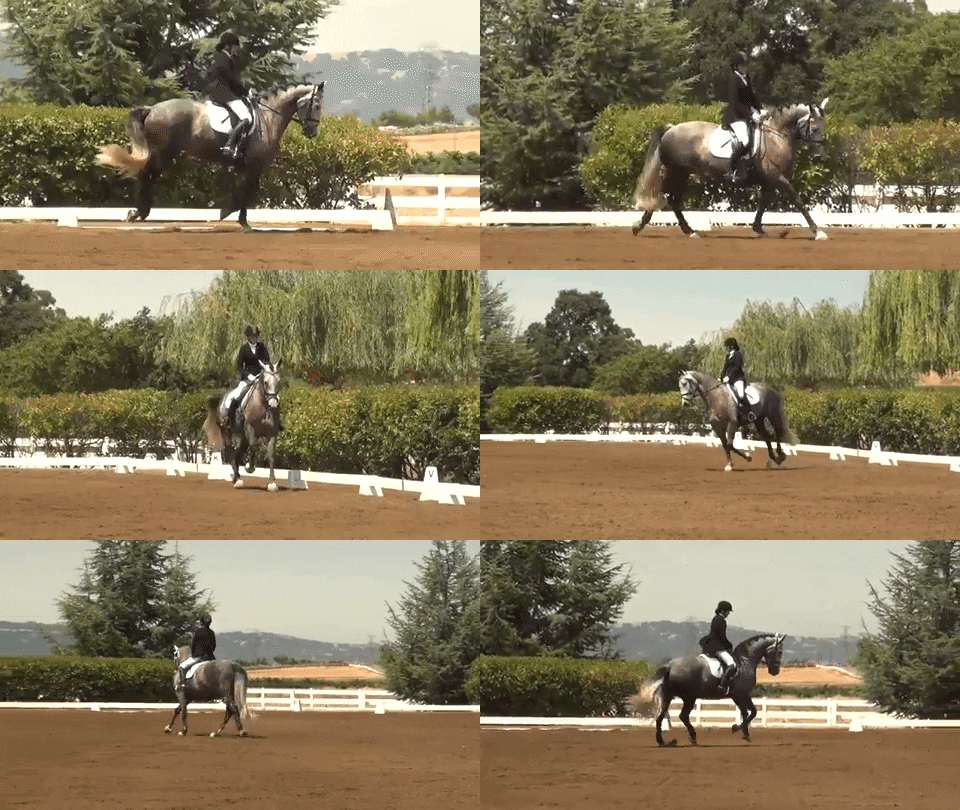
Trending similar to the trot, we've now gained some power back but still not gotten nearly as much quality back . His hind legs aren't all that separated, though you can see that the inside one is not losing itself behind anymore (except a bit at the beginning of the left lead, which was right after the canter lengthening, which tells me that he's using the front end to push back vs sitting with the hind legs at the end of the lengthening).
Finally we're seeing almost normal oscillation of the neck and he's starting to use his back a bit better too. I don't hate his canter for First, but you can see that he's not at all thinking about collection at this point, and this was just a month before we debuted at Second in the schooling show.
Second Level
 |
| Left Lead |
 |
| Right Lead |
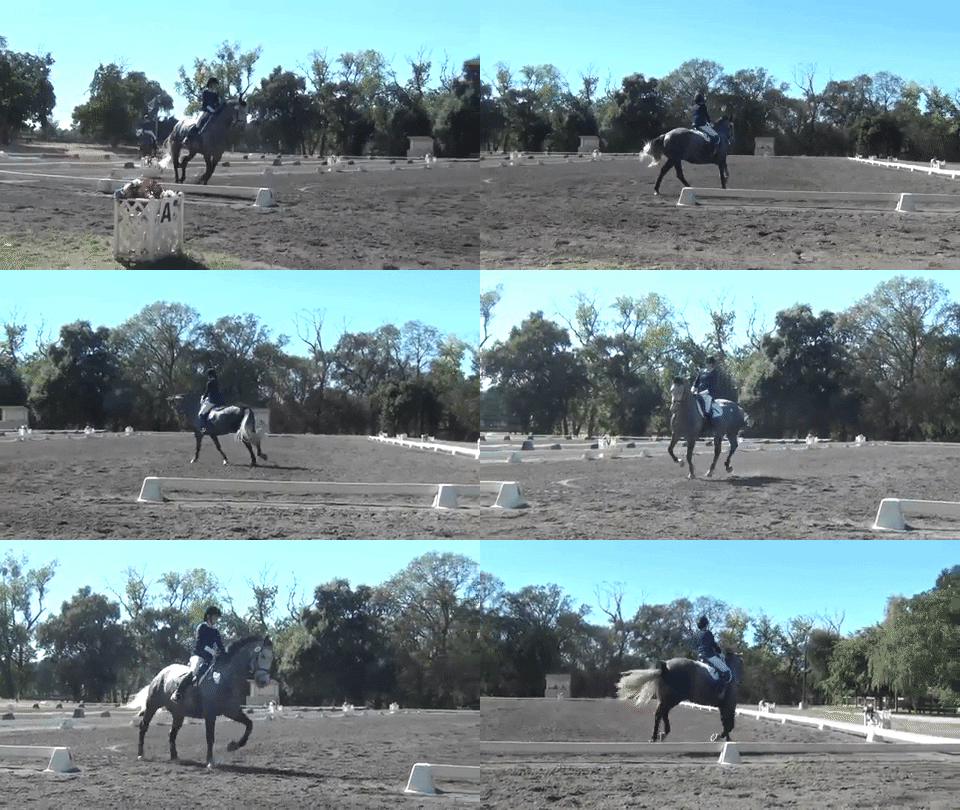
Here we're seeing way better reach with the hind legs on occasion. You can see he really wants to put that inside hind leg down early and does a fair amount, but that he is starting to use it to balance himself FINALLY. He's also got moments where the outside front leg doesn't get behind vertical! On occasion, he loses the verticality of the outside hind leg, but I think that one will take the longest for him.
The oscillation in the collected canter will be less, but we do see that he's using his body way more than he did as a training level (and before then) horse.
 |
| Outside front leg definitely not leaving the ground at vertical |
Overall Canter
I think TC's canter has improved quite a lot, especially given that it is a harder gait to improve than th trot. Like I've said in recent posts, it's a REALLY difficult canter for me and I think we can see why. He started out so unbelievably disorganized and on the forehand. Like, if this horse didn't have that big neck, I probably would have fallen right off the front. I remember absolutely dreading working on the canter work every day.
But, the Second level canter gives me some hope. He isn't nearly there yet, but there are steps where he stays engaged and picks up his legs at vertical.
 |
| You can just tell that the inside hind leg is not going to come under his body nearly enough |
This was super fun, but SO ENLIGHTENING.
My first thought in getting to the end of this is: We. Are. Fucked.
After waiting a few days, I think that's me being dramatic.
TC manages to look way fancier than he is, and when breaking down the gaits like this, you can really see what his tendencies are while ignoring the flash that is his enormous gaits. I need to be way more on top of how he uses his hind legs. Way more.
Just like I fundamentally changed the way he used his body (from not-at-all to starting-to-get-there), I must now fundamentally change how he uses his hind legs. Sounds like a good project for this summer, fall, winter, and next spring before we actually go out at Second level, and then hopefully we'll be ready to go Third shortly after that.
Lateral work seems to help him, while the bigger medium gaits destroy any good work I got out of him. This means I can use the lateral work to help him get stronger and that I need to train his medium to collected transition like crazy.
 |
| Insanely on the forehand, but Megan, his withers are still above his haunches, I know... don't buy a friesian |
In reading about judging, gaits are IMPORTANT. I knew this, but it was in a way more negative light in my mind. It's apparent that riders can just buy horses with nice gaits and score way better than someone who works their ass off on a horse who moves poorly.
But training should improve the horse's gaits, not mess them up. So this is why horses with freer, more expressive gaits score better. As a judge, you can't just arbitrarily decide how fancy the horse started out and then try to hold that constant.
Judges can only judge you on what they see that day. And if they see 7 gaits, they see 7 gaits, regardless of if you took your would-be-scoring-a-5-without-your-amazing-training horse up to a 7 or if you took your would-be-scoring-a-9-without-your-fucked-up-hands and brought it down to a 7.
 |
| I ALWAYS forget that horses can be trained. I need to tattoo it to the inside of my eyelids the next time TC won't stop squeaking |
1) Buy the nicest gaits you can to give you a boost in starting point. At the very least, say NO to rhythm problems, especially in canter. BUT make sure you get gaits you can ride. Gaits you can ride are gaits you can improve. Gaits that are too big for you to do more than just cling onto the horse are gaits that you will (unintentionally) shut down.
2) Train the HELL out of the gaits. Movements don't matter nearly as much. You can be a little green in the shoulder-in on a horse you've carefully developed 8 gaits on and still score higher than someone who has a stellar shoulder-in on a horse who has had their gaits stunted by the rider.
3) I have way less sympathy for simultaneously complaining about horses not being fancy enough while also not working toward improving the gaits. Good dressage makes a horse more free, more uphill, more correct. Good dressage will result in better gaits scores. Do good dressage (but ughhhh it's so hardddd).
 |
| This last winter, that's a big improvement! I wish I had more recent video |
